Antique Persian Kerman 16025
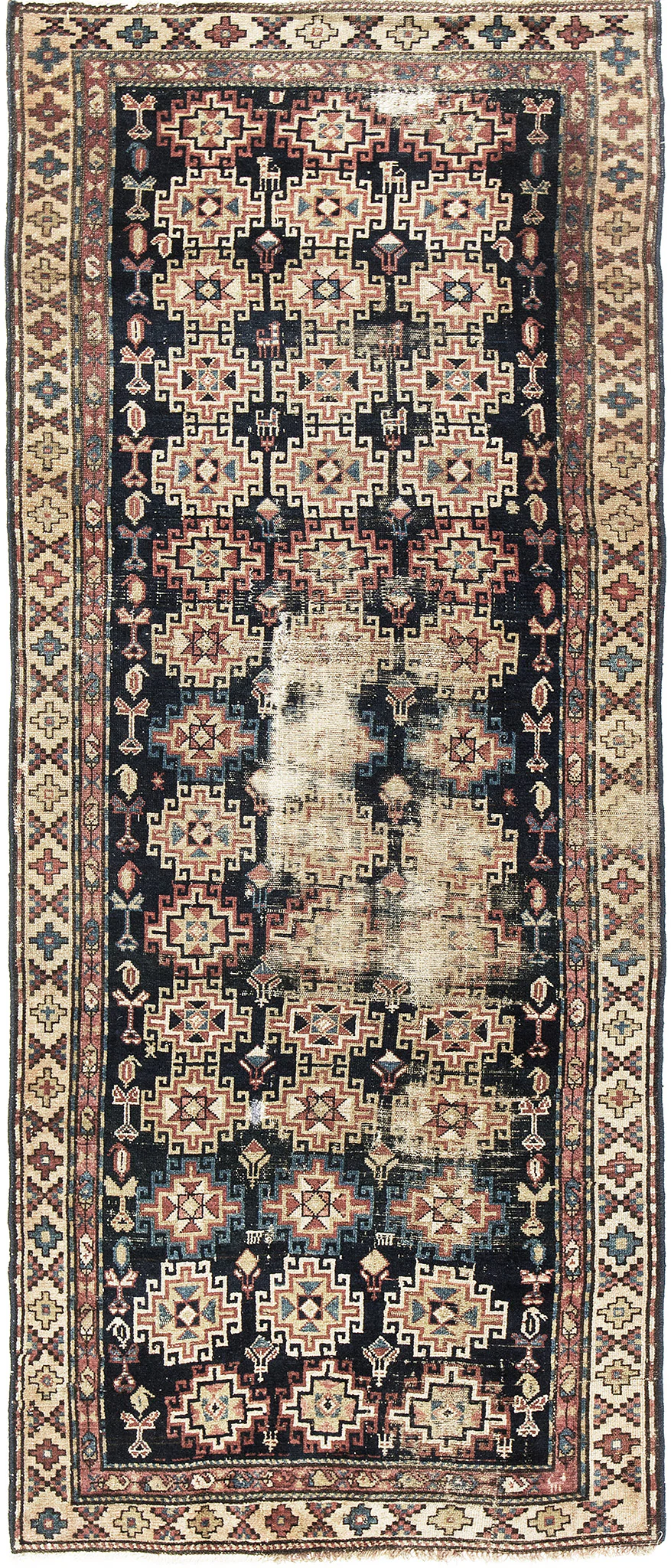
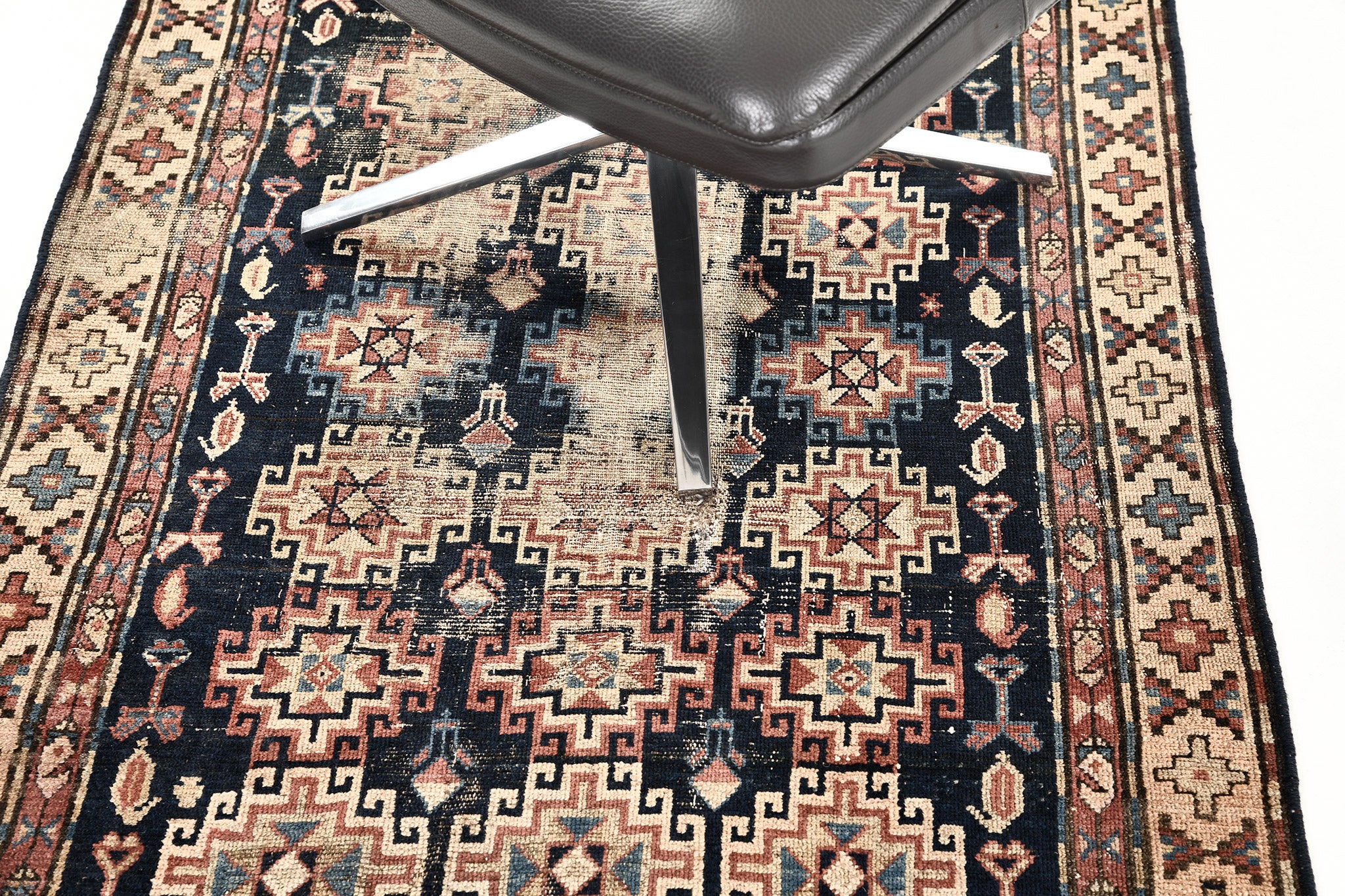
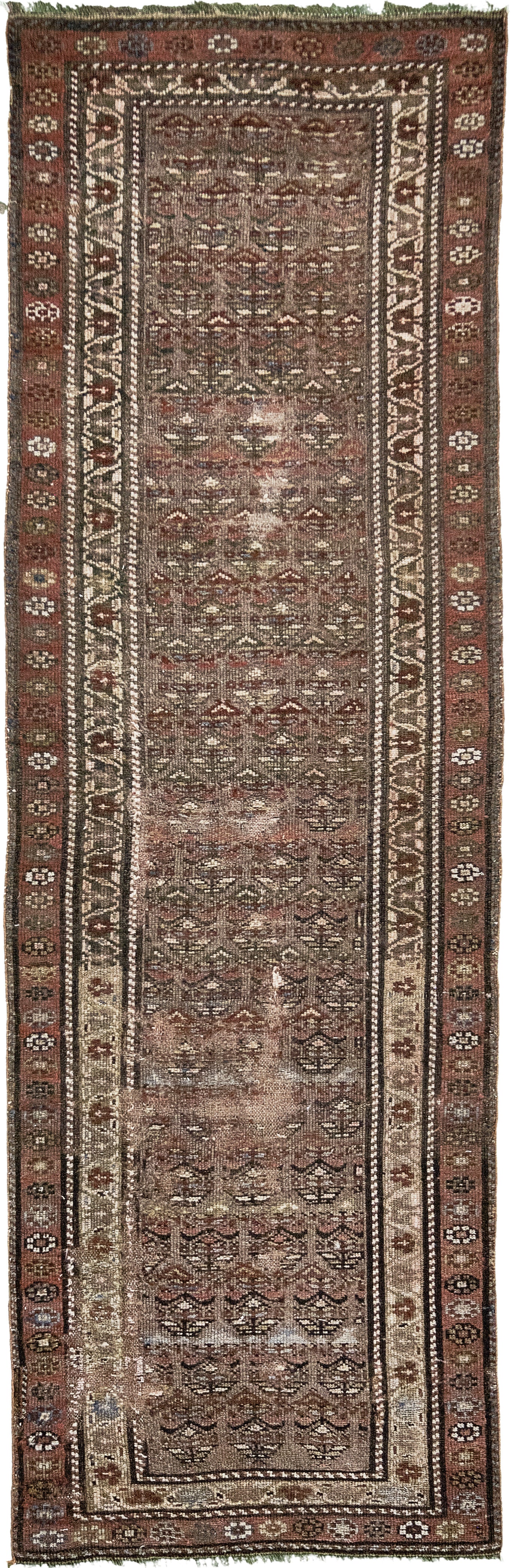
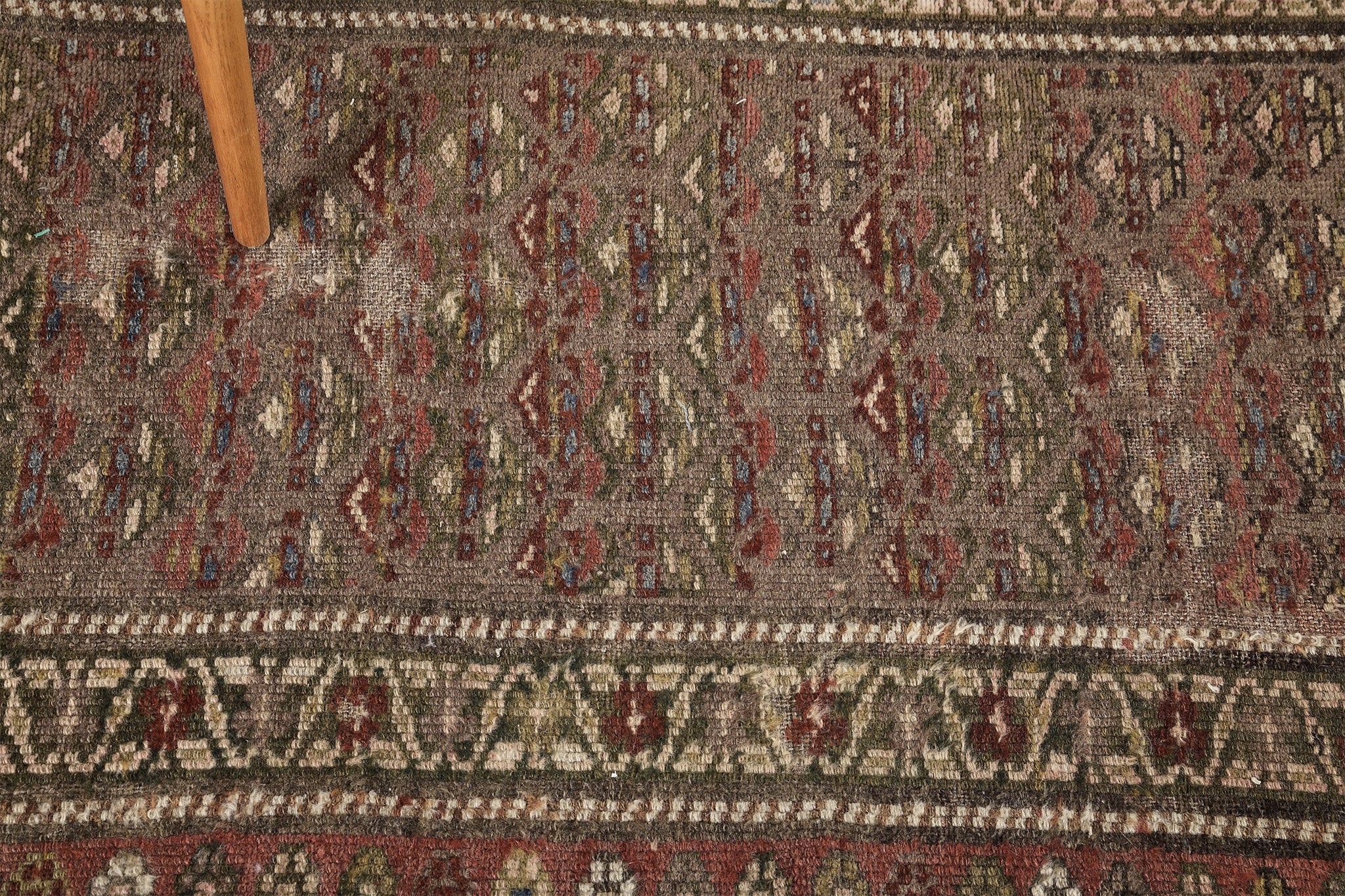
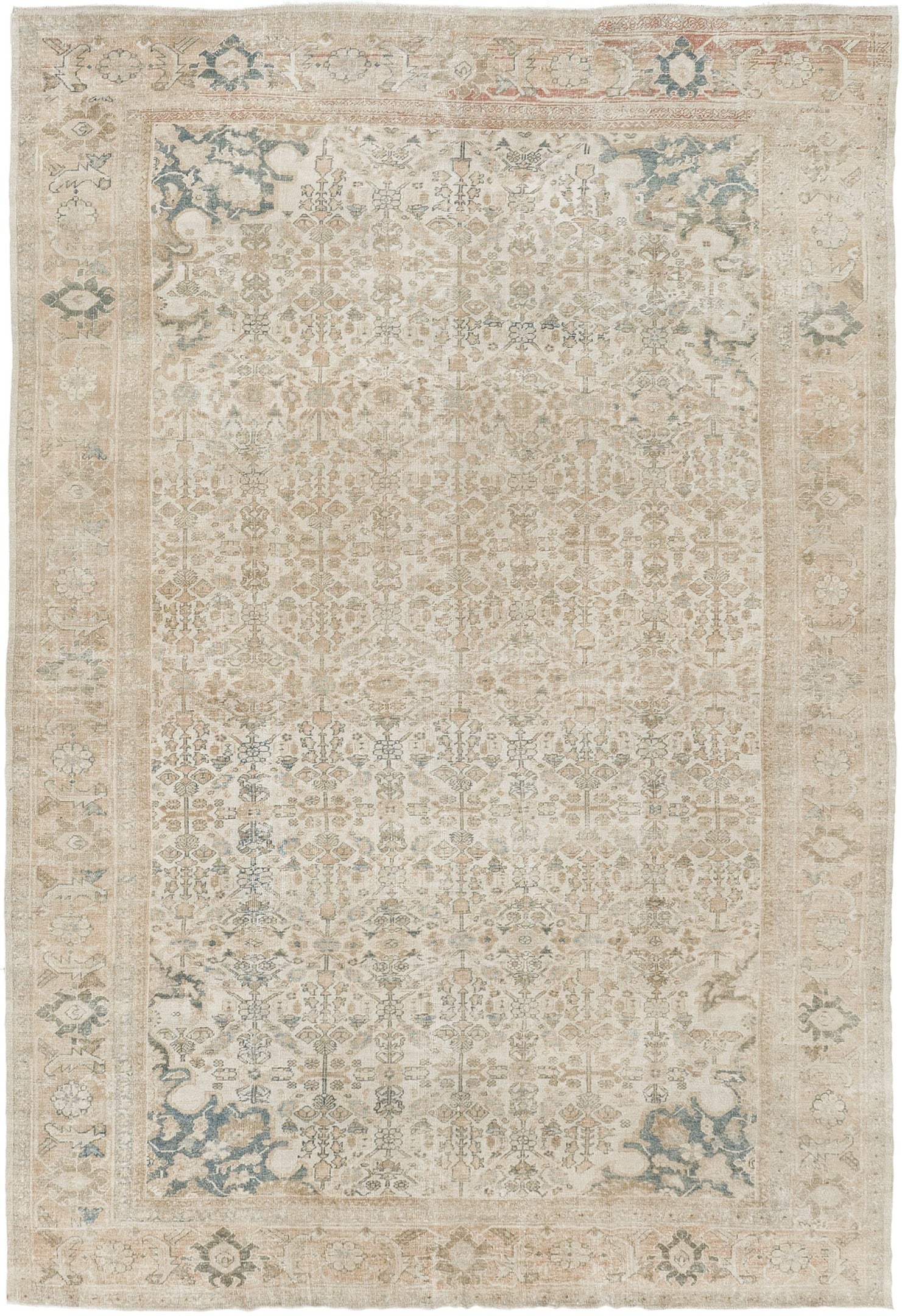
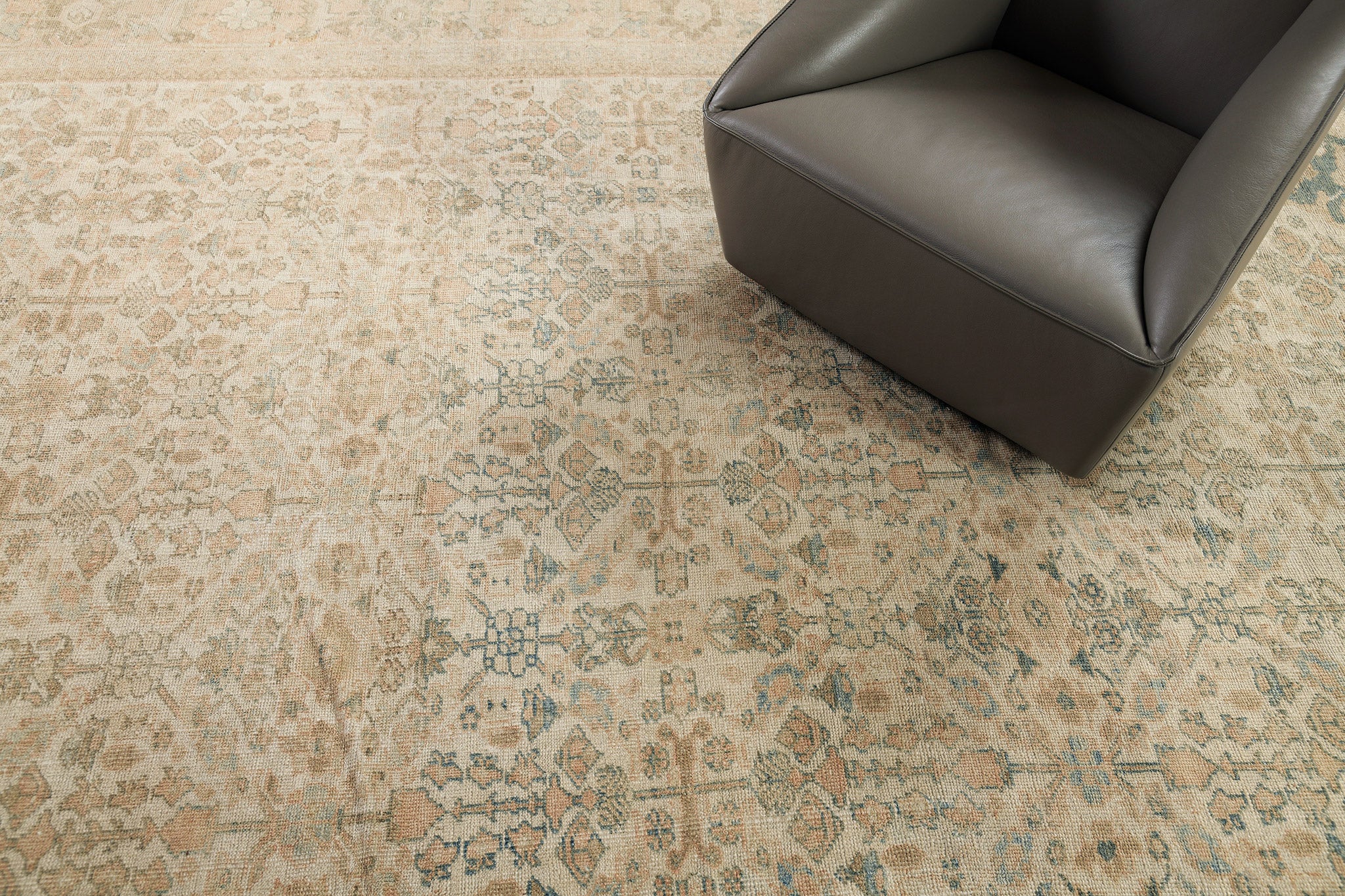
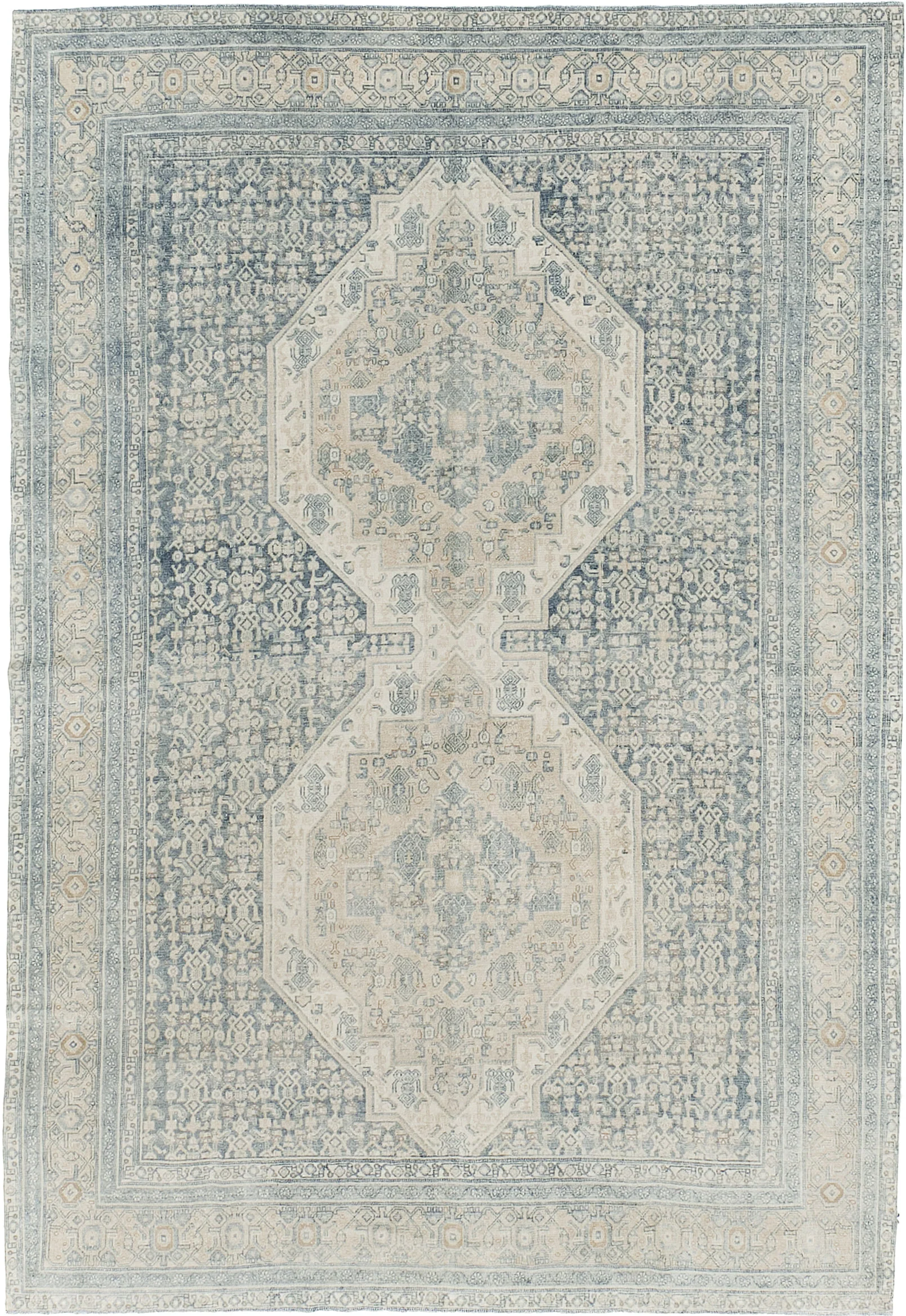
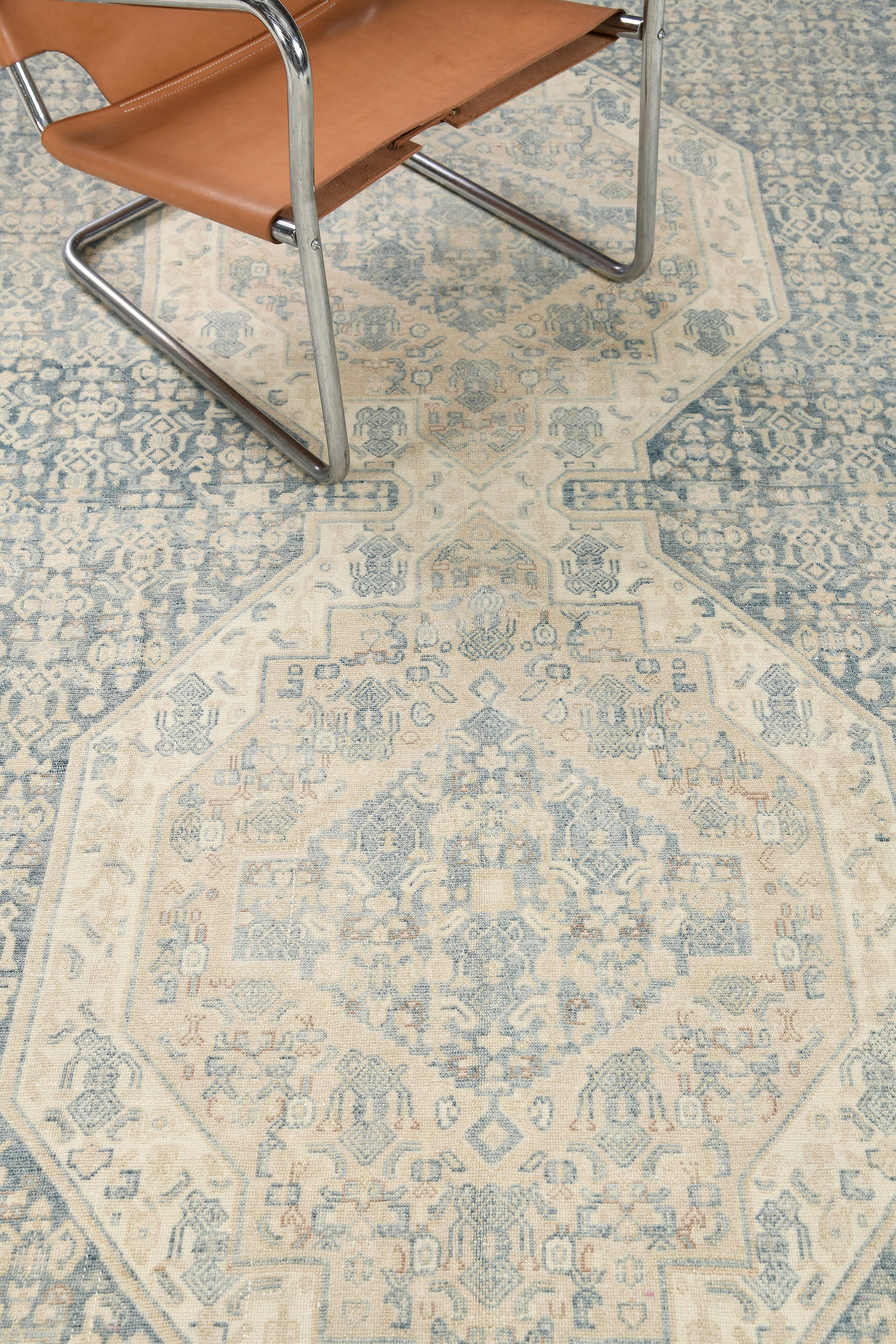
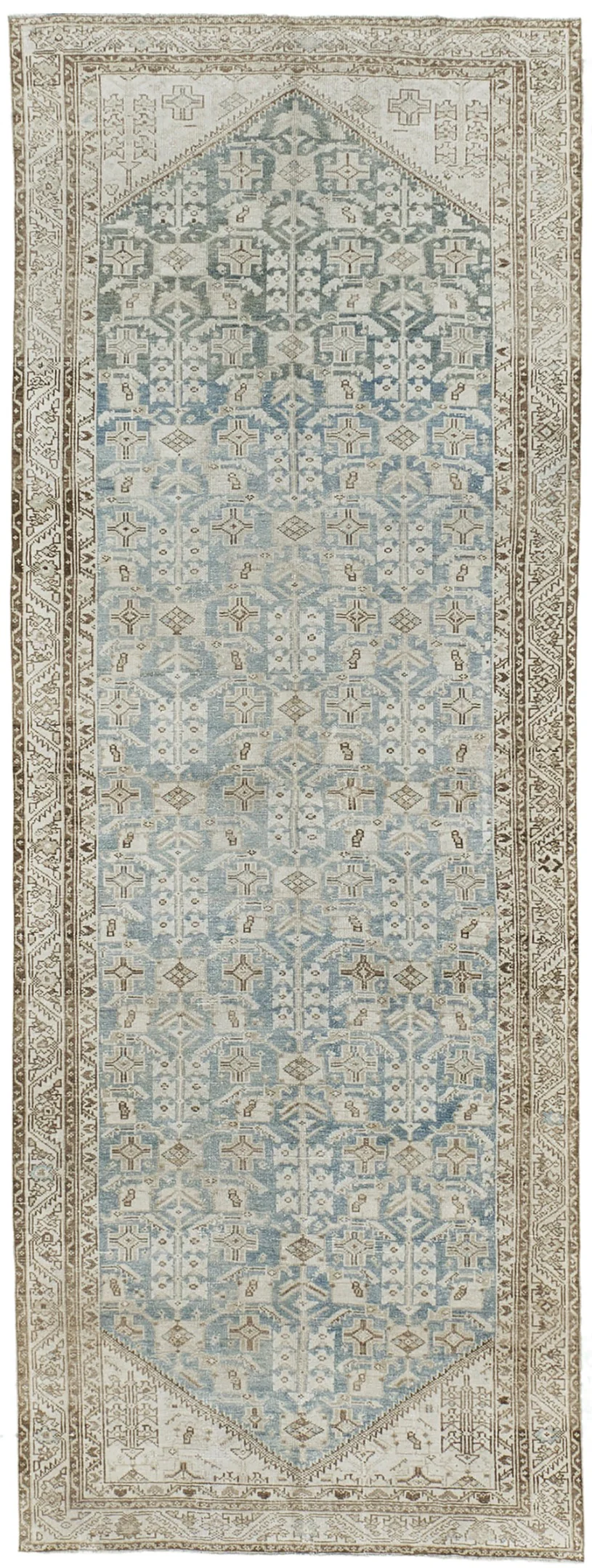
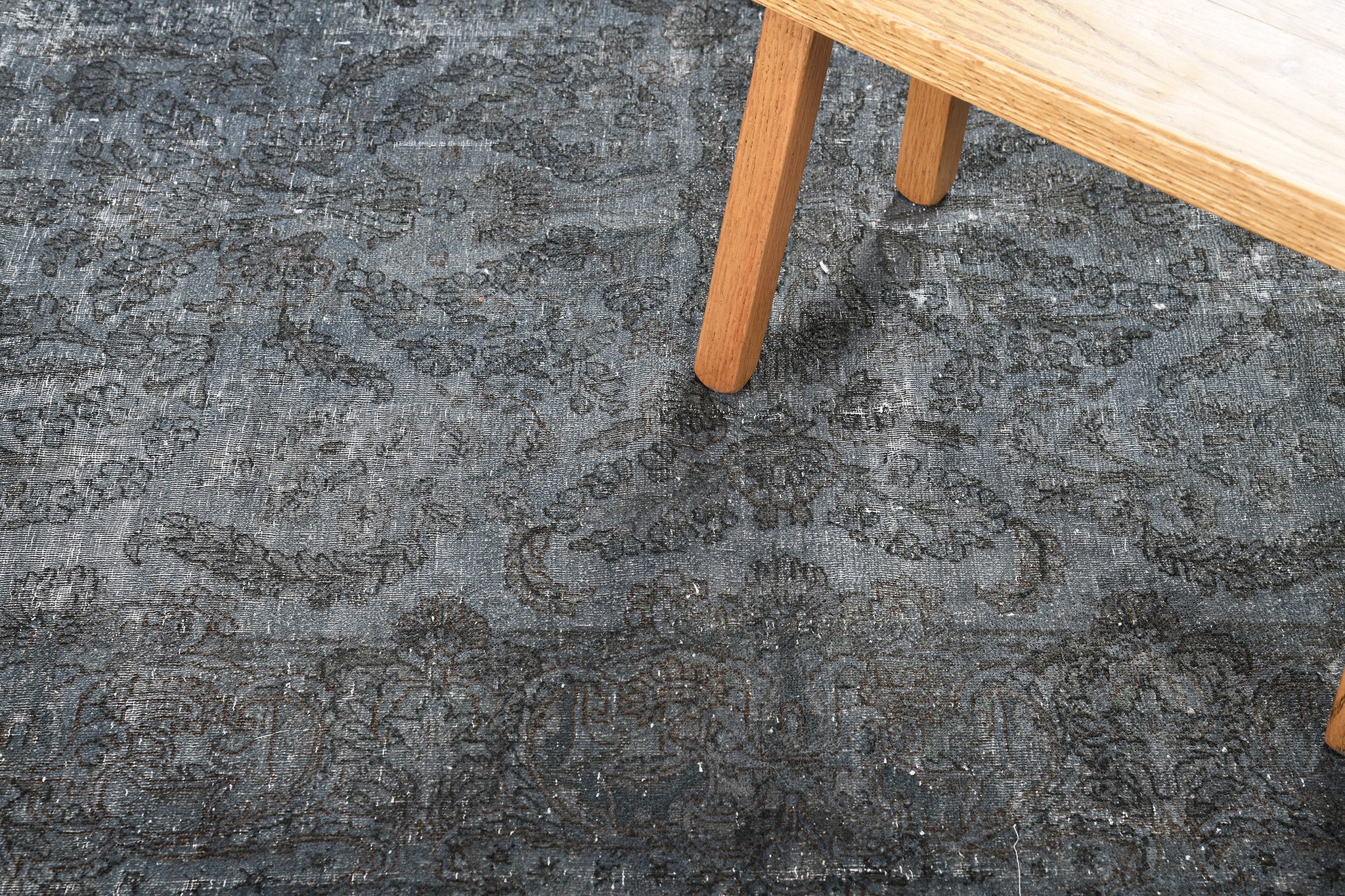
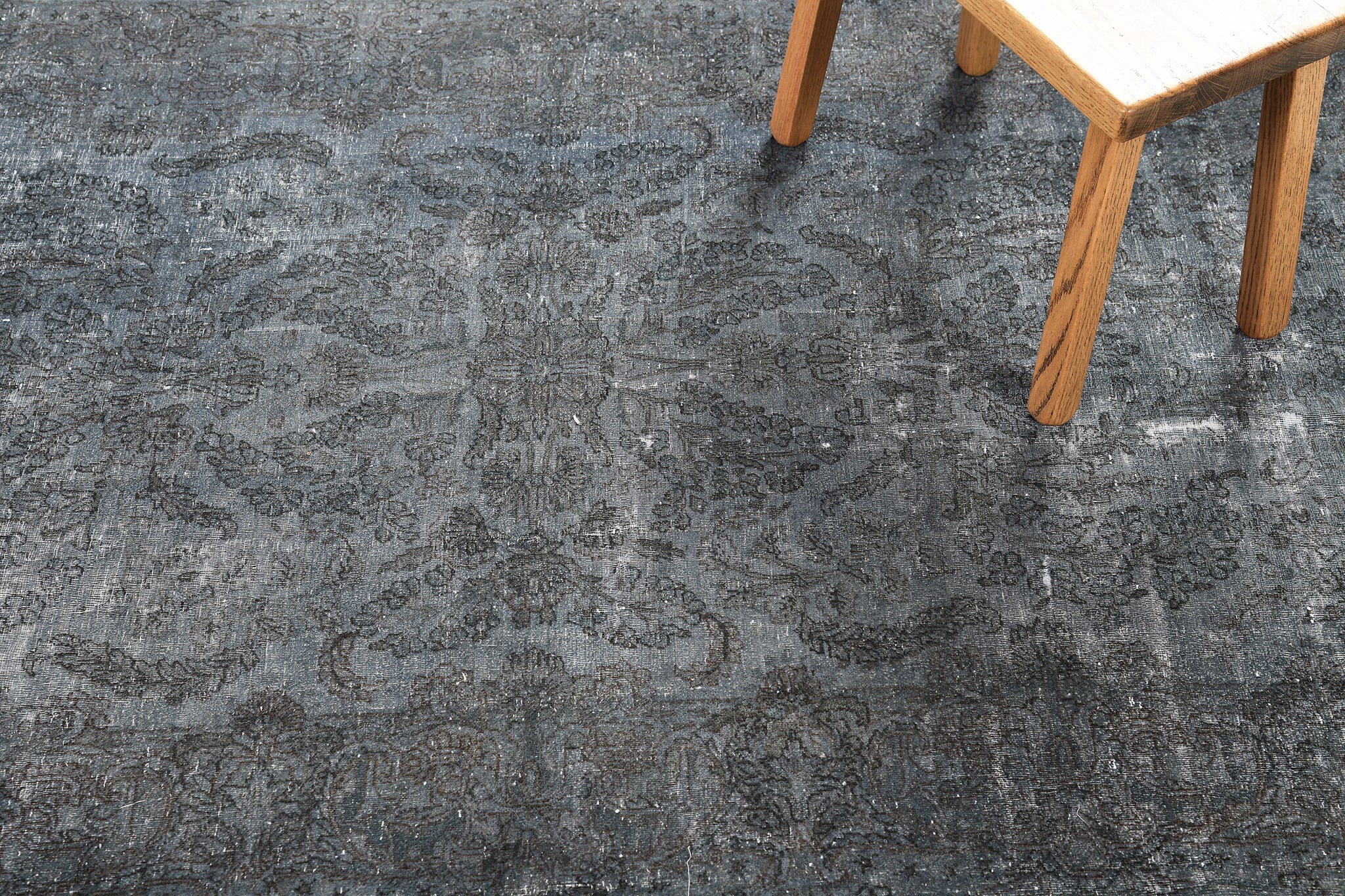
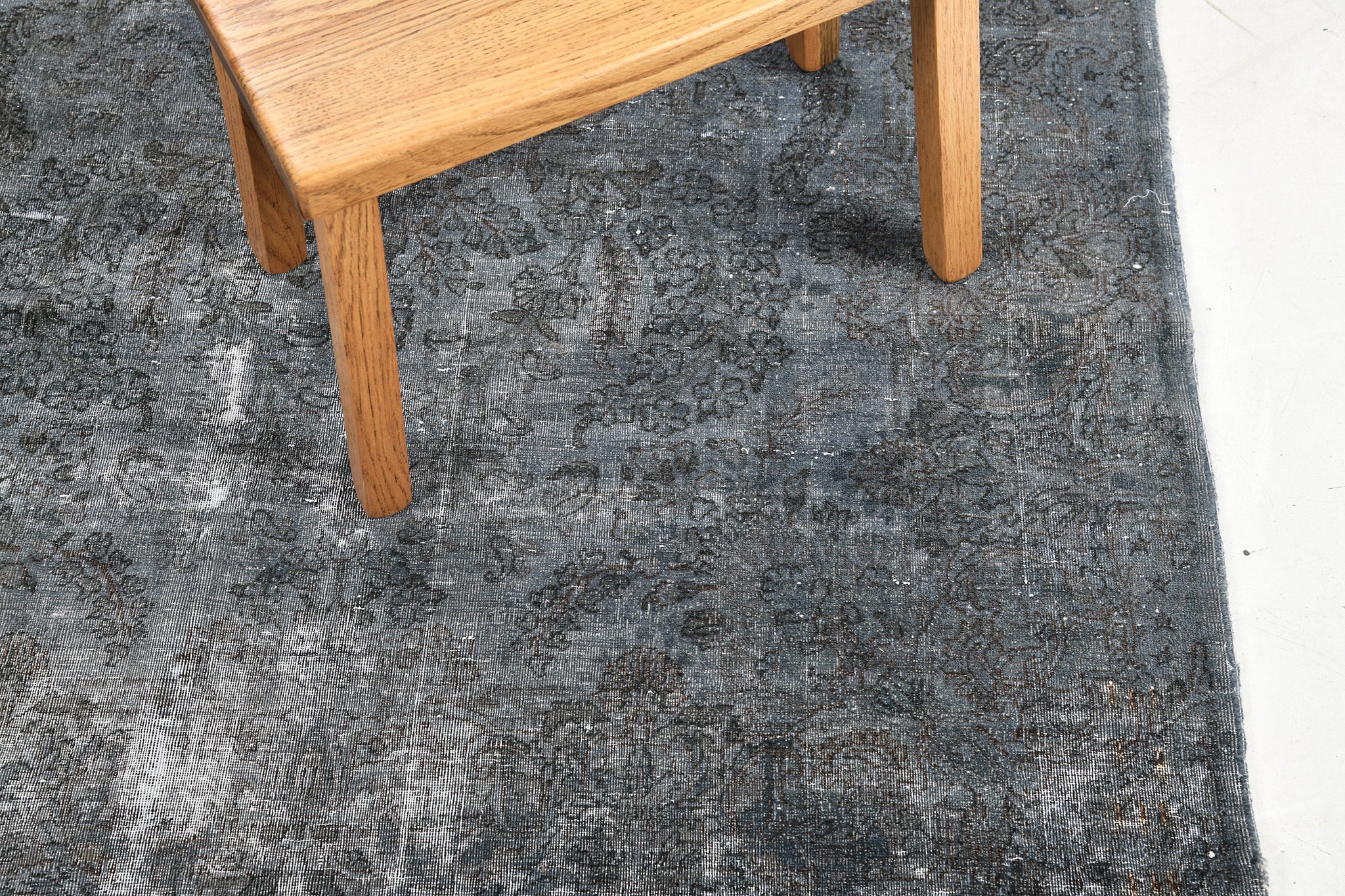
This antique rug emerges from the Persian weaving tradition, where village artisans employed hand-knotted techniques to create textiles of remarkable subtlety and depth. The monochromatic field reveals an intricate tapestry of botanical and geometric motifs, their forms softened by decades of natural aging and the gentle abrash inherent to hand-spun wool. Natural dyes—walnut hulls and iron mordants—have developed the characteristic gray-blue patina that distinguishes authentic Persian village work from commercial production. The dense knotting structure supports a complex interplay of stylized palmettes and angular vine work, motifs that reference classical Persian garden carpets while maintaining the more restrained aesthetic of regional workshop traditions. Each element within the field maintains its individual character while contributing to the overall harmony, a balance achieved through generations of inherited technique. The border treatment, though subtle in this monochromatic palette, frames the composition with traditional reciprocal patterns that speak to the weaver's understanding of classical proportions. This textile represents the quiet mastery of Persian village workshops, where technical excellence served daily life rather than ceremonial display, creating works of enduring cultural and aesthetic significance.
Discover more Persian Rugs
Product Information
Product Information
Shipping & Returns
Shipping & Returns


Antique Persian Kerman 16025
Antique Persian Kerman 16025
This antique rug emerges from the Persian weaving tradition, where village artisans employed hand-knotted techniques to create textiles of remarkable subtlety and depth. The monochromatic field reveals an intricate tapestry of botanical and geometric motifs, their forms softened by decades of natural aging and the gentle abrash inherent to hand-spun wool. Natural dyes—walnut hulls and iron mordants—have developed the characteristic gray-blue patina that distinguishes authentic Persian village work from commercial production. The dense knotting structure supports a complex interplay of stylized palmettes and angular vine work, motifs that reference classical Persian garden carpets while maintaining the more restrained aesthetic of regional workshop traditions. Each element within the field maintains its individual character while contributing to the overall harmony, a balance achieved through generations of inherited technique. The border treatment, though subtle in this monochromatic palette, frames the composition with traditional reciprocal patterns that speak to the weaver's understanding of classical proportions. This textile represents the quiet mastery of Persian village workshops, where technical excellence served daily life rather than ceremonial display, creating works of enduring cultural and aesthetic significance.
Discover more Persian Rugs
$495.00
Original: $1,650.00
-70%Antique Persian Kerman 16025—
$1,650.00
$495.00Product Information
Product Information
Shipping & Returns
Shipping & Returns
Description
This antique rug emerges from the Persian weaving tradition, where village artisans employed hand-knotted techniques to create textiles of remarkable subtlety and depth. The monochromatic field reveals an intricate tapestry of botanical and geometric motifs, their forms softened by decades of natural aging and the gentle abrash inherent to hand-spun wool. Natural dyes—walnut hulls and iron mordants—have developed the characteristic gray-blue patina that distinguishes authentic Persian village work from commercial production. The dense knotting structure supports a complex interplay of stylized palmettes and angular vine work, motifs that reference classical Persian garden carpets while maintaining the more restrained aesthetic of regional workshop traditions. Each element within the field maintains its individual character while contributing to the overall harmony, a balance achieved through generations of inherited technique. The border treatment, though subtle in this monochromatic palette, frames the composition with traditional reciprocal patterns that speak to the weaver's understanding of classical proportions. This textile represents the quiet mastery of Persian village workshops, where technical excellence served daily life rather than ceremonial display, creating works of enduring cultural and aesthetic significance.
Discover more Persian Rugs